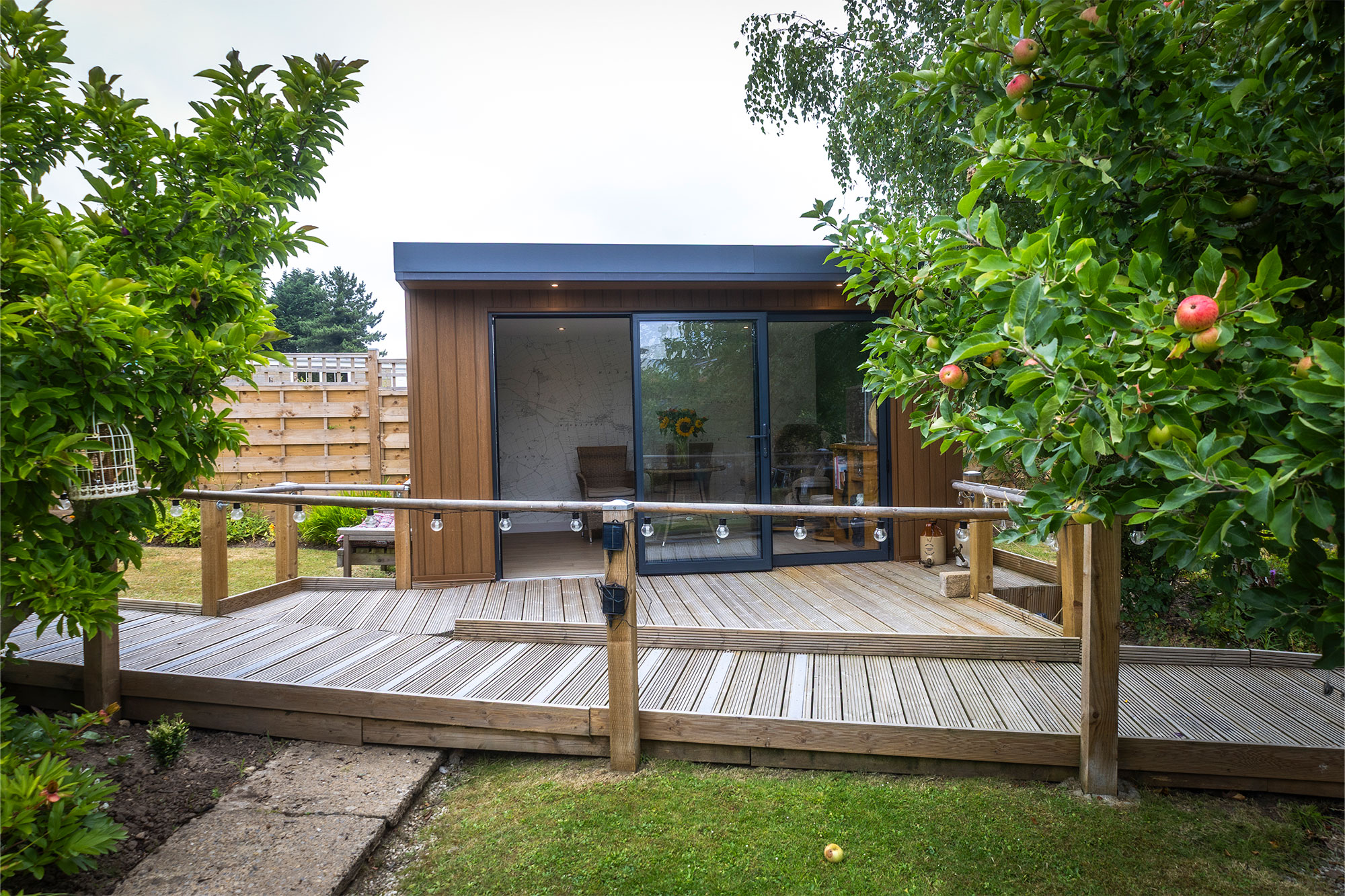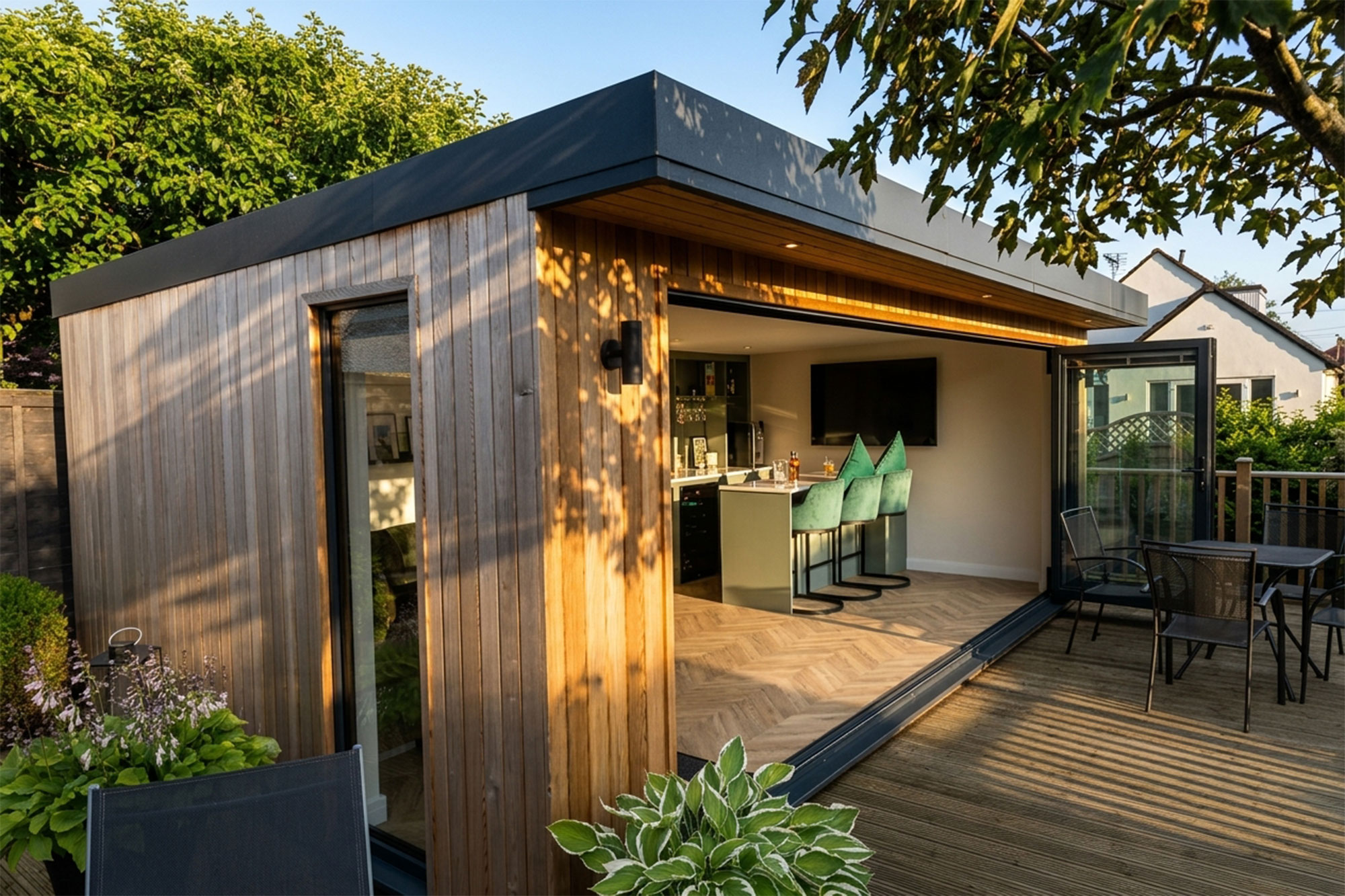
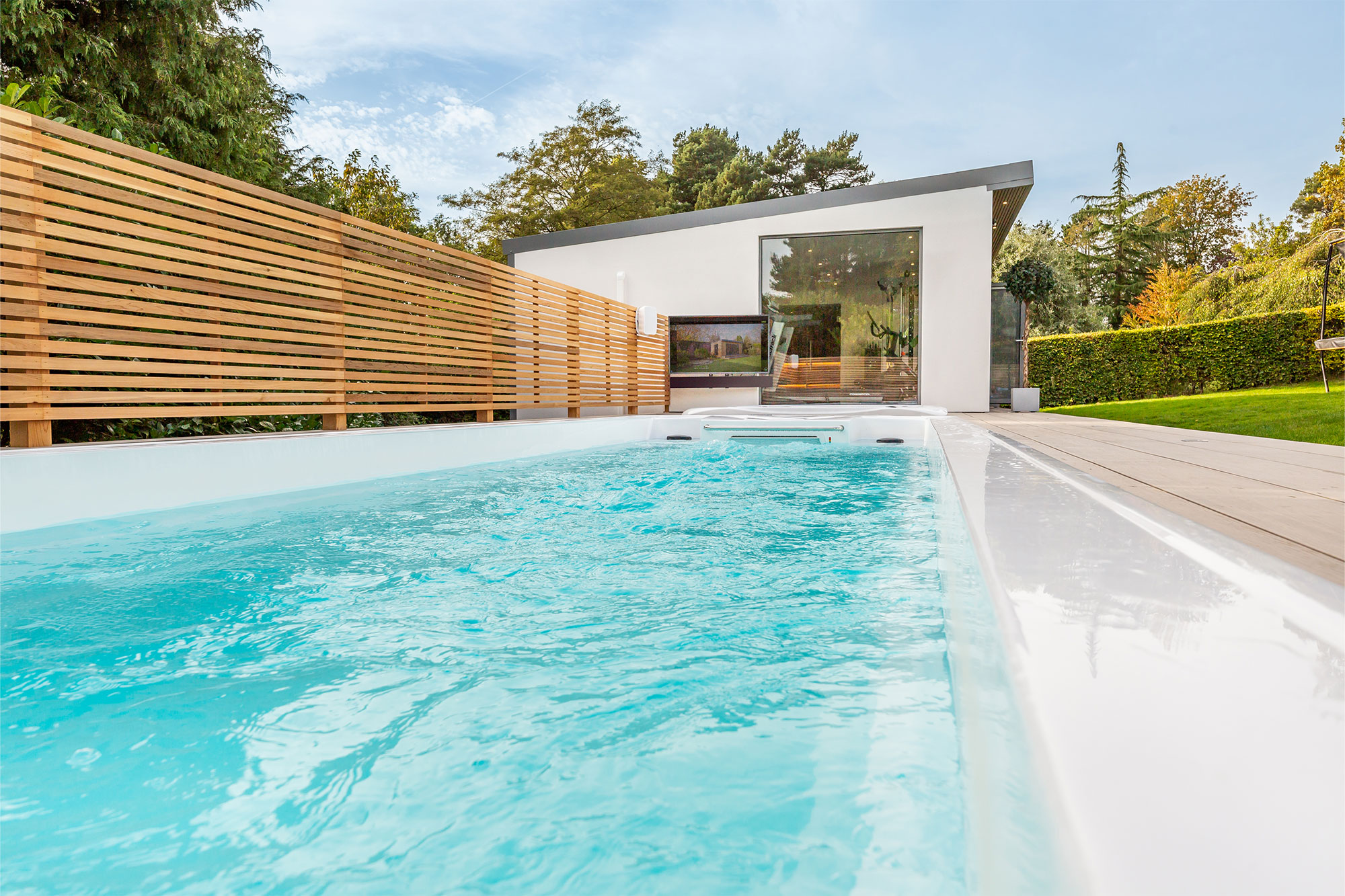
Garden Spa & Sauna Rooms: Wellness at the Bottom of Your Garden
A garden spa or sauna room brings genuine, everyday wellness home. Here's what to consider - from heat therapy and running costs to ventilation and year-round comfort.

Home wellness has moved outdoors. A dedicated garden spa or sauna room turns a corner of your garden into a private retreat for heat therapy, cold plunge, relaxation and recovery, and all without a gym membership or a spa booking. This guide covers the benefits, the practicalities, running costs, and how to design a wellness room that works beautifully all year.
✔ IN SHORT
In short: a garden sauna or spa room is a fully insulated garden room designed for heat therapy and relaxation. Like other garden rooms it can often be built under permitted development, and a well-insulated room warms quickly and stays comfortable to use all year - though the specialist build typically sits at a premium above a standard garden room of the same size.
The appeal of a garden wellness room
There's something restorative about stepping away from the house into a calm, purpose-built space. A garden spa or sauna room offers privacy, a clear boundary between work and rest, and a daily wellness routine that's genuinely convenient. For many owners it becomes the most-used room they have.
The benefits of regular sauna use
Regular sauna bathing is widely associated with several everyday wellness benefits. Muscle recovery is one of the most commonly cited - the heat increases blood flow to tired muscles, which many people find helpful after exercise or a physically demanding day. Relaxation is another: the combination of heat, quiet and time away from screens and household demands is, for many people, a genuine reset at the end of a day.
A growing number of owners also use their sauna as part of a broader routine for mental wellbeing - a fixed, private point in the day dedicated purely to switching off, which some find as valuable as the physical effects of the heat itself. Hot-and-cold contrast routines, pairing a sauna session with a cold plunge or cold shower, are increasingly popular for their restorative effect on both body and mood.
As with any wellness practice, benefits vary from person to person, and anyone with a health condition - including cardiovascular conditions, pregnancy, or anything affected by heat exposure - should check with their doctor before starting regular heat therapy.
Choosing your setup: options and costs compared
The right wellness setup depends on the experience you want and how you'll use the space. Each option has a different running-cost profile and a different typical premium over a standard insulated garden room of the same size.
Because a wellness room needs moisture-resistant construction, specialist linings and dedicated heating or water-heating equipment on top of the standard build, expect a wellness room to sit at a meaningful premium above an equivalent-sized standard insulated garden room - often somewhere in the region of 10-20% more, depending on the setup chosen, rather than being priced the same as a standard office or studio room of the same footprint.
Set up |
What it offers |
Running cost profile |
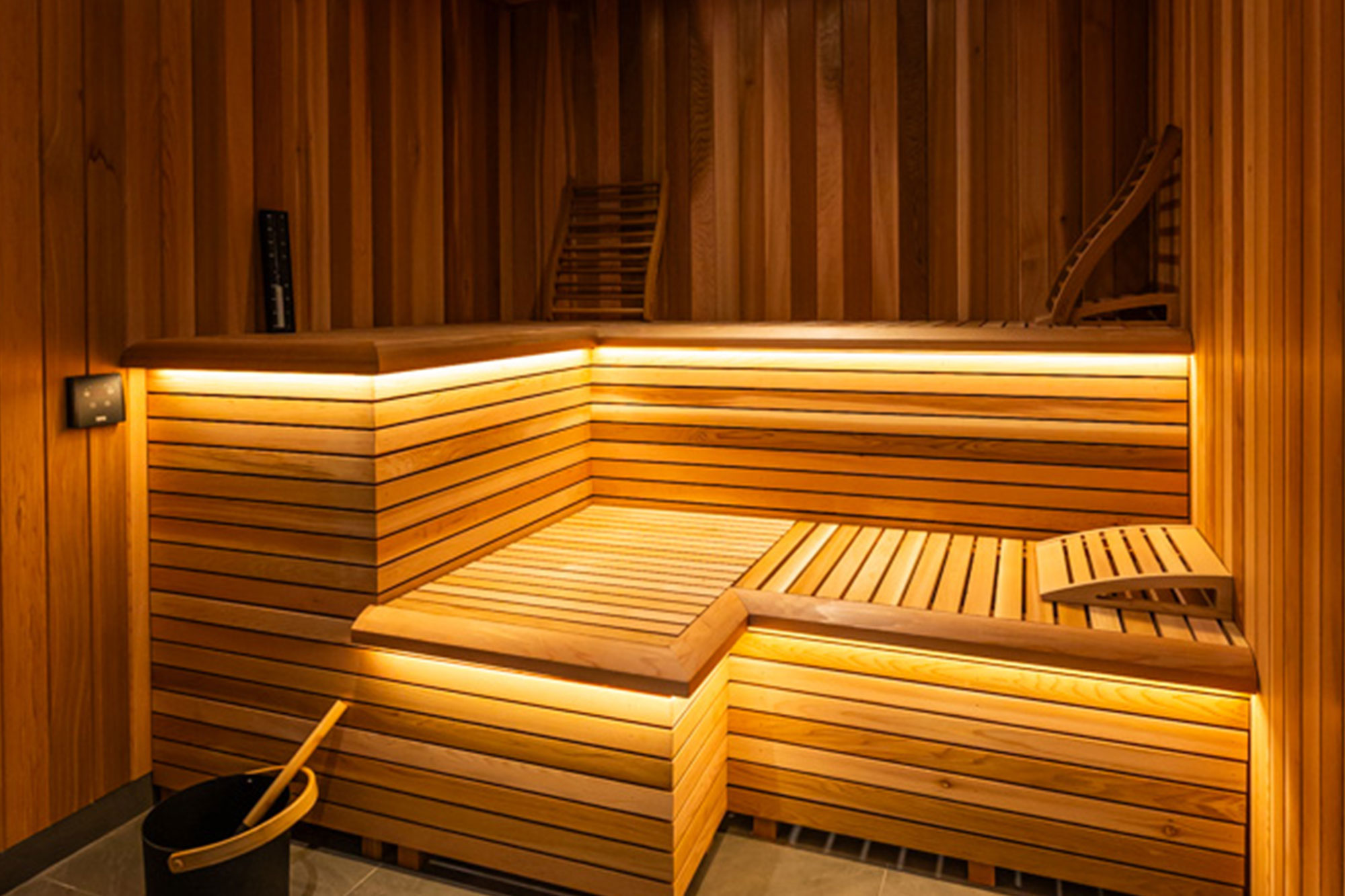
Traditional sauna |
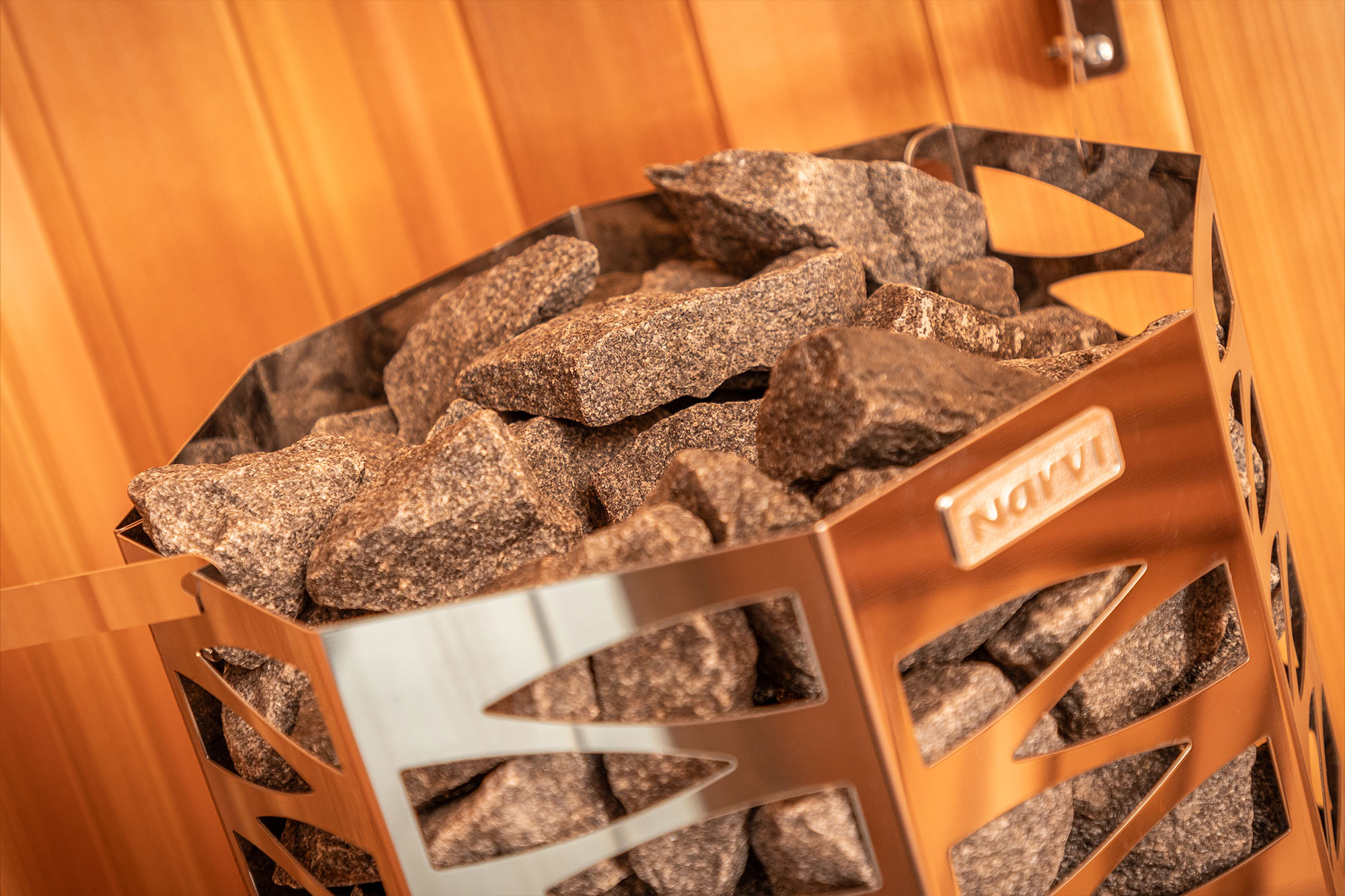
Dry heat from a stove; simple, authentic and popular. |
Notable power draw while heating, much less to maintain temperature once warm. |
Infrared cabin |
Gentler, lower-temperature warmth that some find more comfortable. |
Typically lower power per session, since it heats the body rather than the room. |
Steam room |
Humid heat, which needs careful moisture and ventilation design. |
Ongoing running cost to maintain humidity and heat together. |
Spa / hot tub room |
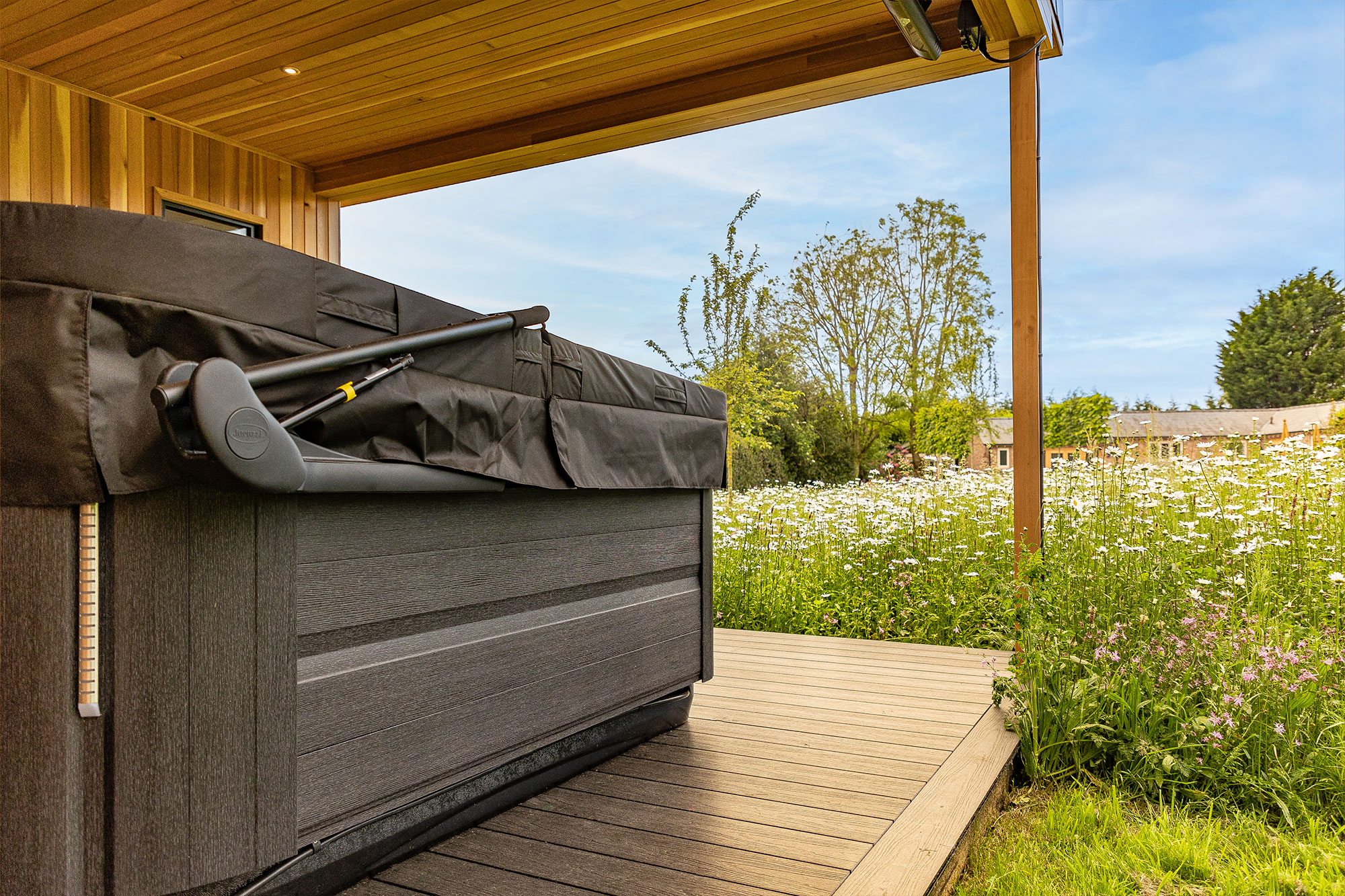
A covered, insulated space for a hot tub, usable in all weather. |
Continuous running cost to maintain water temperature, generally the highest of the four. |
Ventilation, moisture and materials
Wellness rooms create heat and moisture at levels a standard garden room simply doesn't encounter, so the build has to cope with both. A standard garden log cabin is designed to breathe naturally through small gaps and traditional timber construction, relying on general airflow rather than dedicated ventilation - fine for everyday use, but not built to manage the sustained heat and humidity a sauna or steam room produces session after session.
A purpose-built wellness room needs proper mechanical or designed passive ventilation, sealed and moisture-resistant linings, and timber or panel materials specifically chosen to cope with repeated heating and cooling cycles without warping, cracking or harbouring damp. Get this wrong and the effects show up quickly: trapped moisture can cause timber to swell and finishes to fail well before they should, and poor ventilation lets heat and humidity linger long after a session ends, which is both uncomfortable and, over time, damaging to the structure itself. This is precisely where a purpose-built, well-engineered garden spa room outperforms a converted shed or off-the-shelf cabin, which are rarely designed with sustained heat and moisture in mind at all.
Planning permission for a wellness room
Like other garden rooms, a garden sauna room can often be built under permitted development, though conditions on size, height and position apply - see our garden room planning permission guide, which also links through to the GOV.UK guidance on planning permission (gov.uk/planning-permission-england-wales) and permitted development rights for householders (gov.uk/government/publications/permitted-development-rights-for-householders-technical-guidance).
Cost summary
A wellness room sits at the higher-spec end of the garden room market. As a starting point, our insulated garden room cost guide gives current ranges for a standard build by size; a sauna, steam or spa room typically adds a premium of roughly 10-20% on top of the equivalent standard price, reflecting the specialist linings, ventilation and heating or water-heating equipment involved. An insulated room holds heat efficiently once built, so it remains usable as a relaxation space all year and earns its place well beyond summer.
Common Questions
Often it can be built under permitted development like other garden rooms, but conditions on size, height and position apply. Check the rules for your property and see our planning guide.
Running costs depend on the heater type, how well the room is insulated, and how often you use it. A well-insulated room warms quickly and holds heat, which keeps costs down regardless of which setup you choose.
Yes - a purpose-designed spa room can house a hot tub with the right structure, ventilation and drainage, making it usable whatever the weather, though it typically carries the highest running cost of the wellness setups.
A traditional sauna heats the air with a stove; an infrared cabin uses lower-temperature infrared to warm the body directly, which some people find gentler and which typically uses less power per session.
Because it needs moisture-resistant linings, dedicated ventilation and specialist heating equipment that a standard office or studio doesn't. As a guide, expect a premium above an equivalent-sized standard room, depending on the setup chosen.
Conclusion
A garden spa or sauna room is one of the most rewarding uses of garden space - it's a private, daily wellness retreat just steps from your door. Choose the setup that suits you, design carefully for heat and moisture, insulate for low running costs and year-round comfort, and you'll have a space that supports your wellbeing every day of the year.
Design your garden wellness retreat
From saunas to hot tub rooms, we'll help you create a beautiful, well-engineered wellness space. Book a consultation.