Garden Room vs House Extension: Value, Cost & Disruption Compared
Both add space - but they differ sharply on cost, build time, planning and disruption. Here's an honest, side-by-side comparison to help you choose.

When you need more space, the choice often comes down to a garden room or a house extension. Both are valid, but they suit different needs and budgets. This guide compares them across the factors that matter most - cost, value, time, planning and disruption - so you can decide with your eyes open.
✔ IN SHORT
In short: a garden room usually costs less per square metre, is built in days to weeks with minimal disruption, and often falls under permitted development. A house extension adds connected internal space but costs more, takes months, and usually needs planning permission.
At a glance: the key differences
Before the detail, here's how the two options compare on the factors most buyers care about.
(Indicative comparison - exact outcomes depend on your property, site and specification. Per-m² figures are calculated from typical size and price ranges rather than a single quoted source.)
Factor |
Insulated garden room |
House extension |
Typical cost per m² |
Roughly £1,200-£2,100/m², depending on size and spec |
Roughly £1,500-£6,000+/m², depending on scope and finish |
Build time |
Days to weeks |
Weeks to months |
Planning |
Often permitted development |
Typically needs permission |
Disruption |
Minimal |
Significant |
Adds internal house space |
No (separate building) |
Yes |
Best for |
Office, gym, studio, flexible space |
Bigger kitchen, extra bathroom |
Cost: which is cheaper?
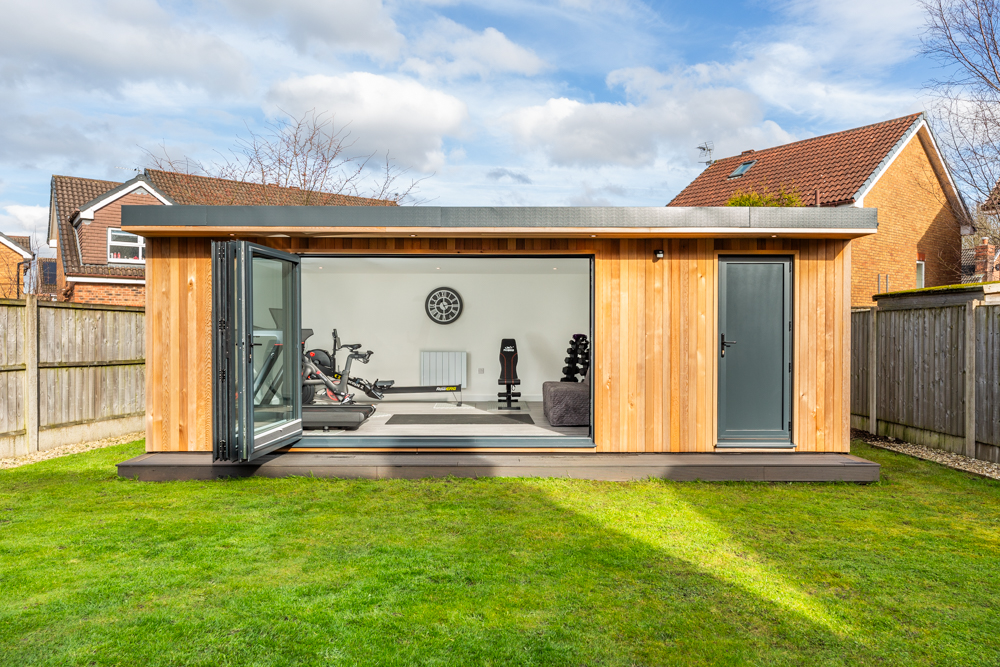
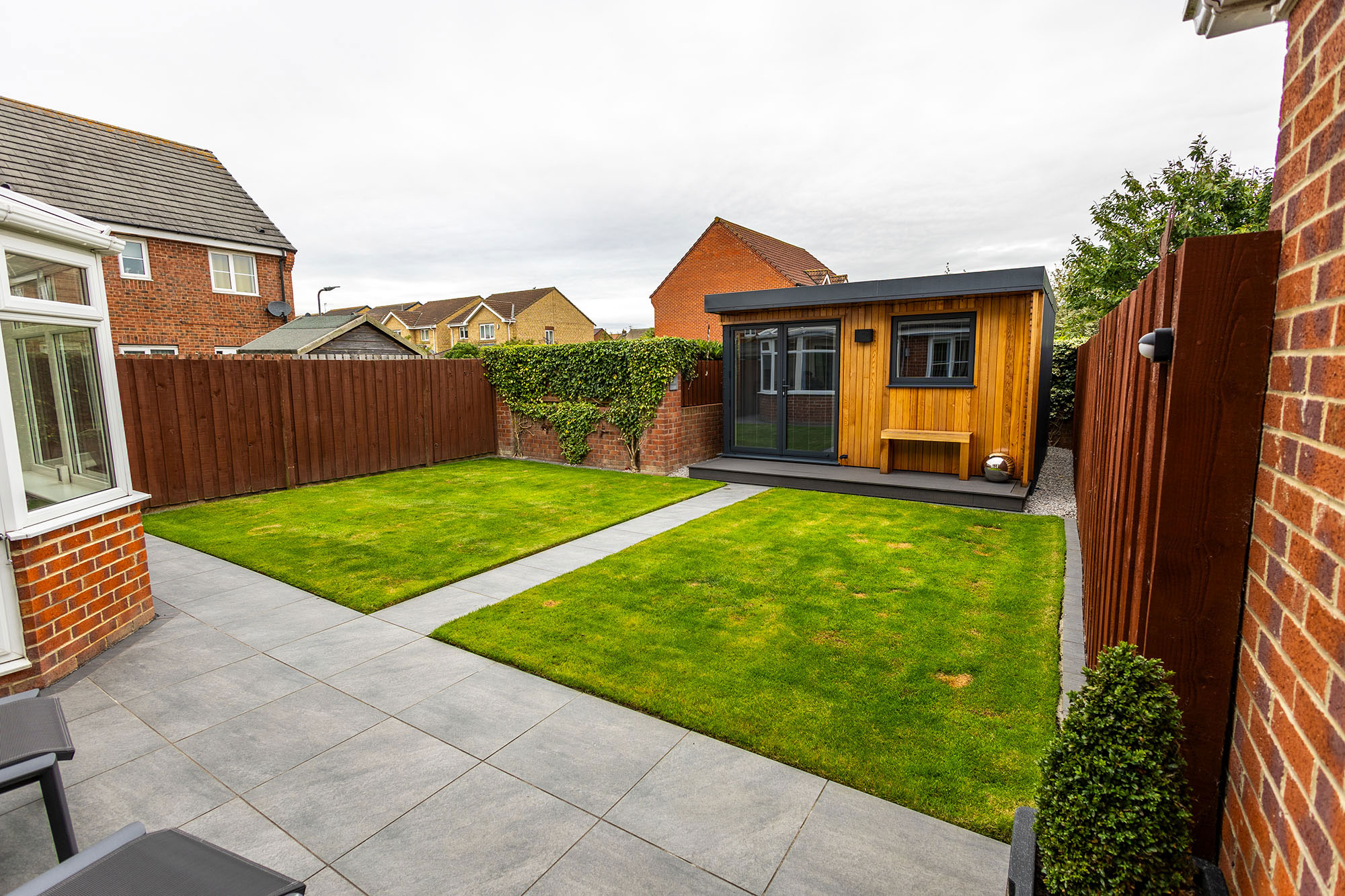
Garden rooms are generally more cost-effective per square metre than brick-and-block extensions. An extension involves foundations, structural work, matching brickwork, roofing tied into the house, and internal reconfiguration - all of which add cost. A garden room is a precision-engineered structure installed on a simple, strong and stable base, keeping the price down and predictable. See our insulated garden room cost guide for current ranges.
Value added to your home
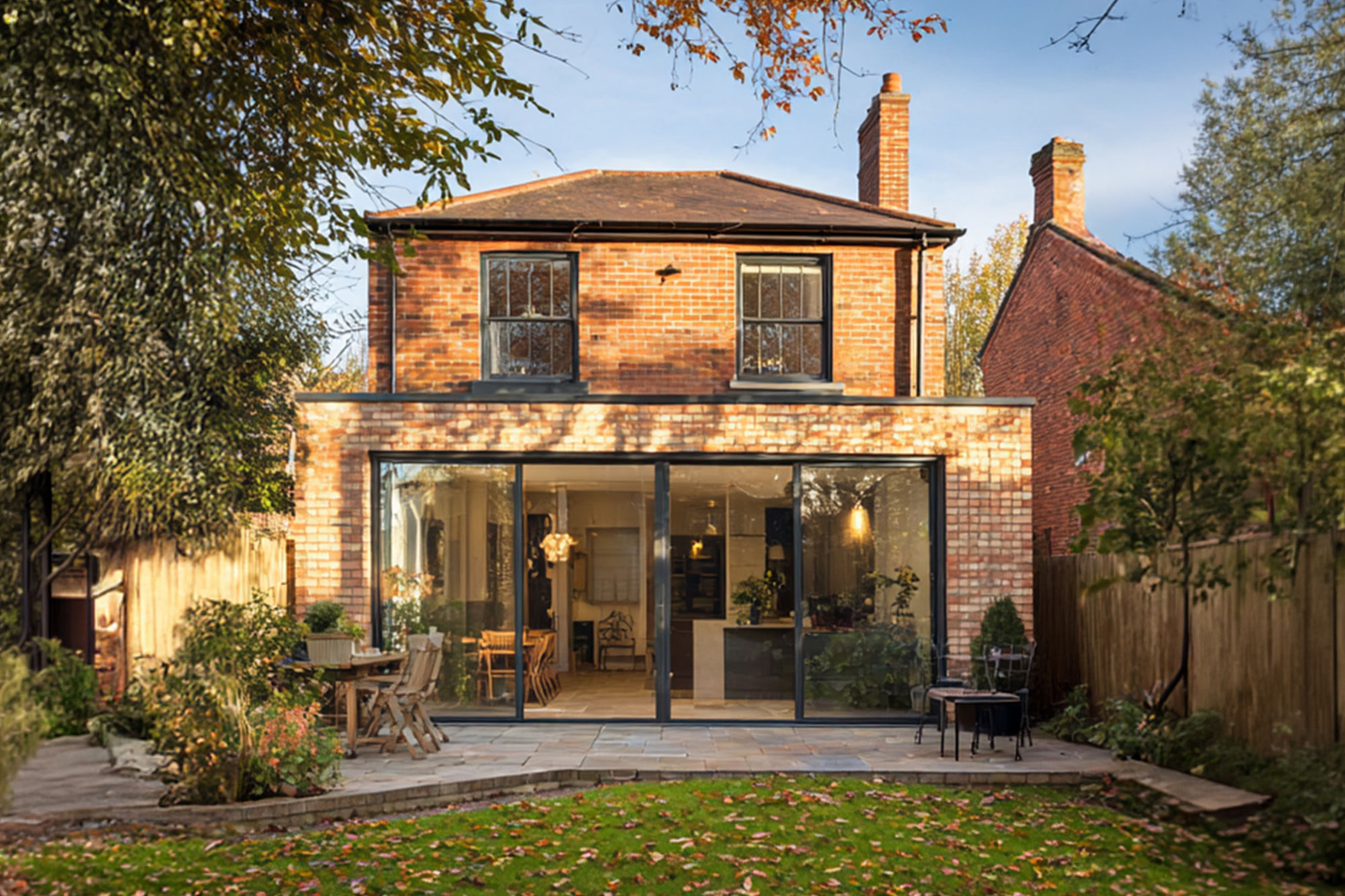
An extension adds space directly to the main dwelling, which can lift a property's value and is reflected in its floor area. A quality insulated garden room also adds value and, importantly, adds flexible lifestyle space - a home office, gym or studio - that buyers increasingly look for. The right choice depends on whether you're optimising for headline property value or usable, adaptable space.
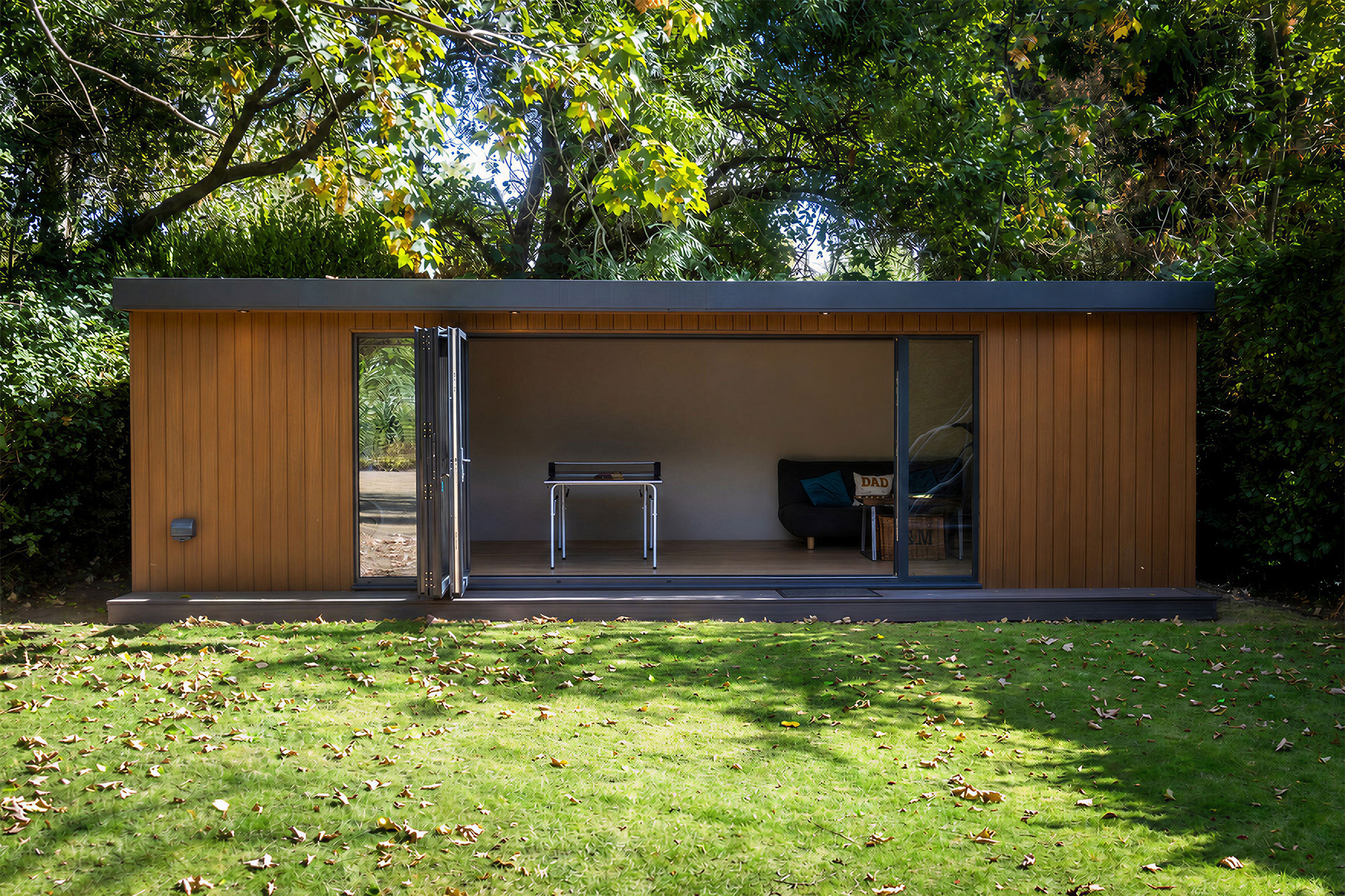
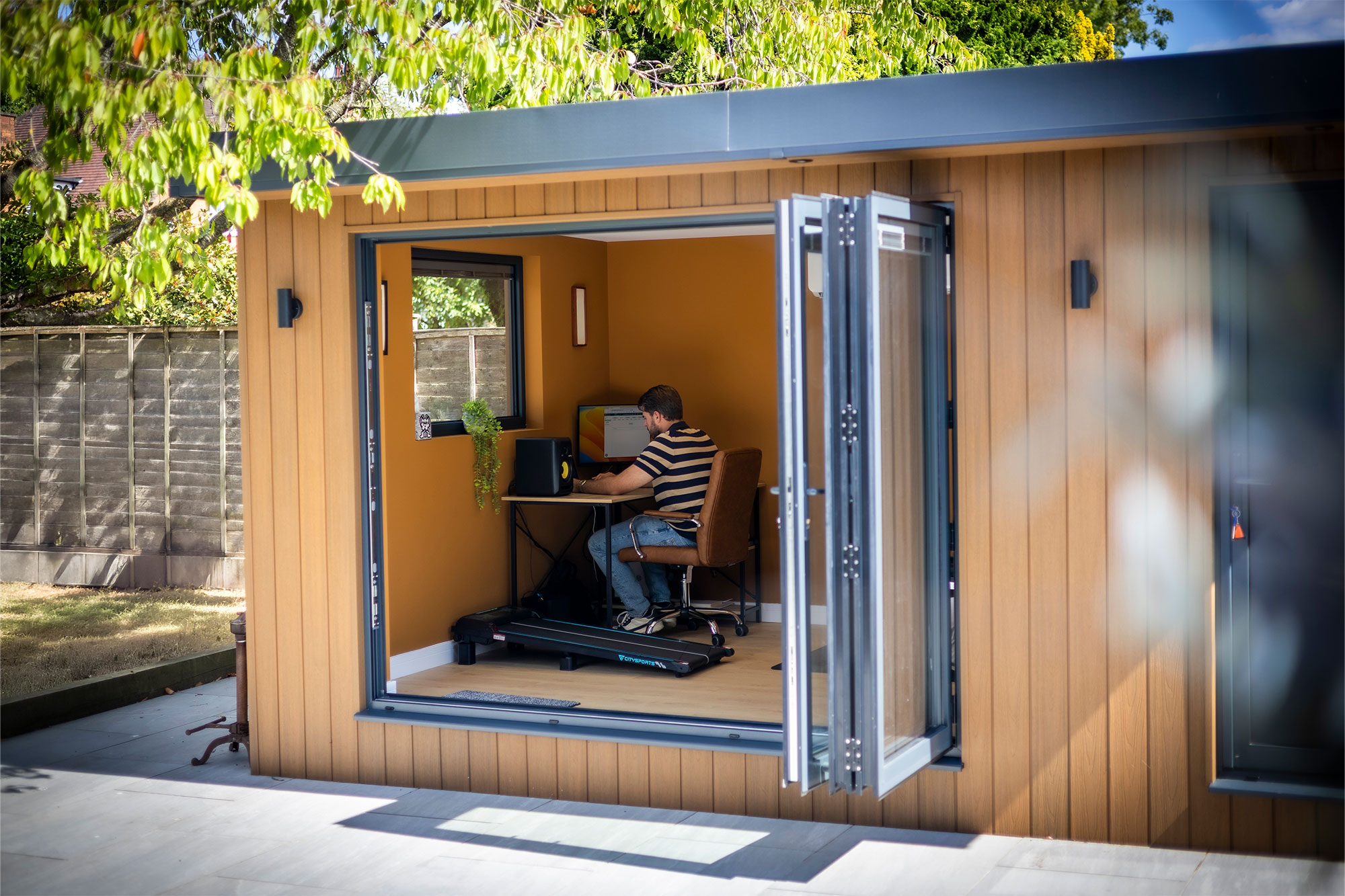
There can also be good reasons why you'd want to keep your office or gym separate from your home - usually so you're not disturbed, or because your noise disturbs other family members.
Build time and disruption
If you work from home, have young children, or simply want to avoid living on a building site, the difference in disruption is significant and often decisive.
And with reputable brands like Tiger Modular, build and installation dates are nailed on. You will have a clear schedule about what you're getting and when. With builders, it can be, well, a bit hit and miss, can't it?
Garden room |
Extension |
Your routine |
Often installed in days on a prepared base, with minimal mess and no need to move out. |
Typically weeks to months, with heavy works, dust and disruption to the house. |
A garden room keeps daily life running; an extension usually doesn't. |
Planning and building regulations
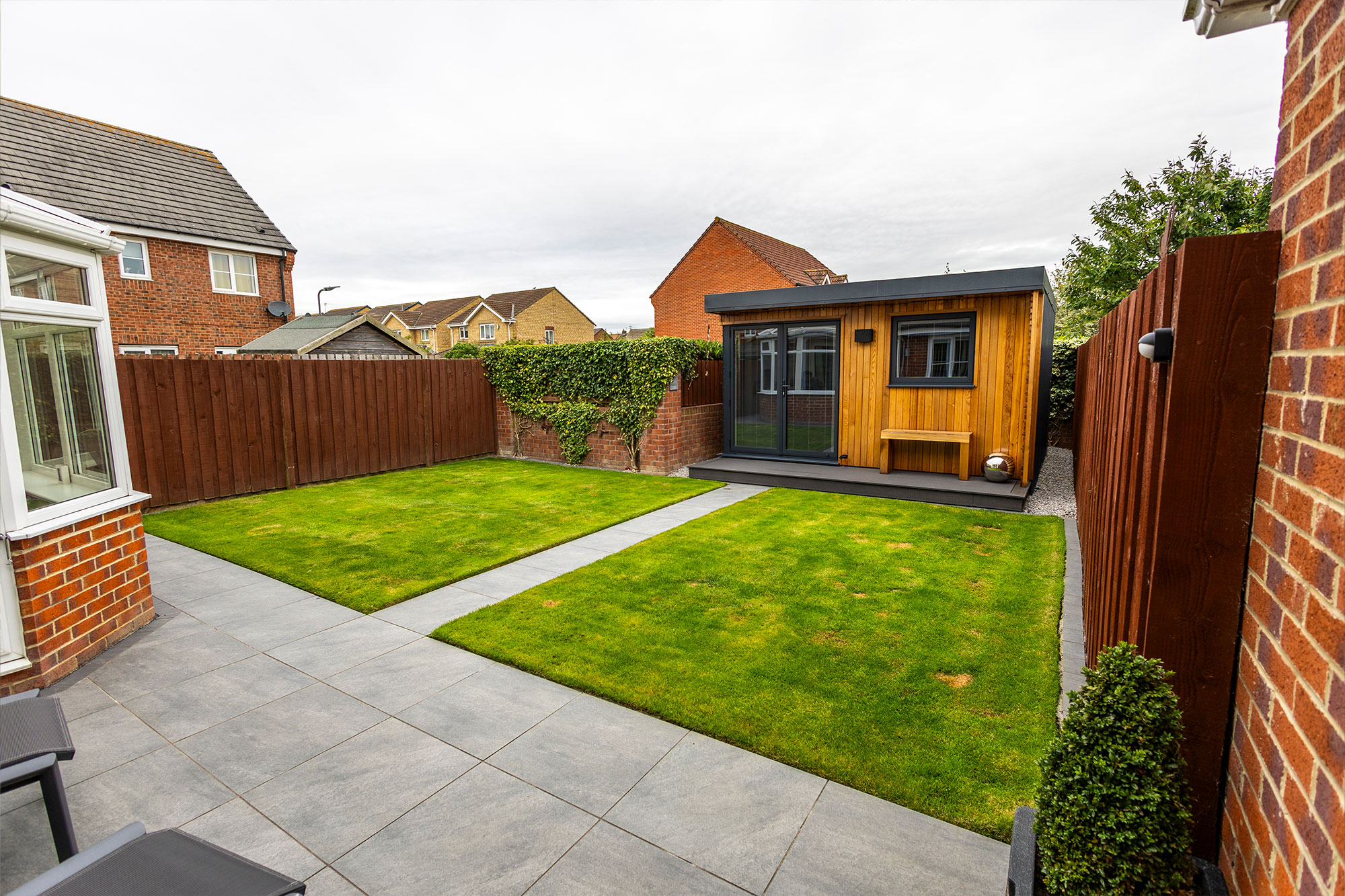
Many garden rooms fall under permitted development and avoid a full planning application, whereas extensions more often require planning permission and always trigger building regulations. A garden room can still need building regs in certain cases - for example above a certain size or if used for sleeping - but those cases tend to be more exceptional.
Our full planning permission guide covers the rules in detail, including links to the relevant GOV.UK resources on planning permission and permitted development.
Which should you choose?
Choose a garden room for flexible space, speed, lower cost and minimal disruption - ideal for offices, gyms, studios and hobby rooms.
Choose an extension when you specifically need connected internal space, such as a bigger kitchen or an extra bedroom within the house.
Consider a garden annexe if you need near, independent living space for family, friends or guests.
Common Questions
Usually, yes - a garden room typically costs roughly £1,200-£2,100/m² against roughly £1,500-£6,000+/m² for an extension, and is far quicker to build, though it's a separate building rather than connected internal space.
An extension usually adds more measurable floor area to the house, but a well-built garden room adds both value and highly desirable flexible space, often at lower cost and with far less disruption. Quality and durability are key to this: Tiger Modular insulated garden rooms are backed by a lifetime structural guarantee and a 30-year roof guarantee - a stronger position than typical timber-built buildings or other insulated garden rooms.
Often not, as many fall under permitted development - but conditions apply. Always check against your property and boundaries. See our full planning permission guide, and if you buy from Tiger Modular we can advise you directly.
There's no universal winner - it depends on your priorities. If you want maximum flexible space, speed and value for money with minimal upheaval, an insulated garden room is hard to beat. If you specifically need connected internal rooms, an extension may be worth the extra cost and disruption. Weigh cost, value, time and planning against your own needs, and you'll make the right call.
Conclusion
There's no universal winner - it depends on your priorities. If you want maximum flexible space, speed and value for money with minimal upheaval, an insulated garden room is hard to beat. If you specifically need connected internal rooms, an extension may be worth the extra cost and disruption. Weigh cost, value, time and planning against your own needs, and you'll make the right call.
1
Garden room
Often installed in days on a prepared base, with minimal mess and no need to move out.
2
Extension
Typically takes months to complete, with heavy works, dust and disruption to the house.
3
Your routine
A garden room keeps daily life running; an extension usually doesn't.
Not sure which suits your home?
Book a free consultation and we'll help you compare the options for your space and budget.