How to Avoid Cowboy Builders When It Comes to Extensions and Garden Rooms: Choosing a Builder You Can Trust
Choosing the right company is the most important decision in any garden studio or extension project. Here's how to spot a reputable builder, steer clear of rogue traders, and protect your investment from the first quote to the final handover.

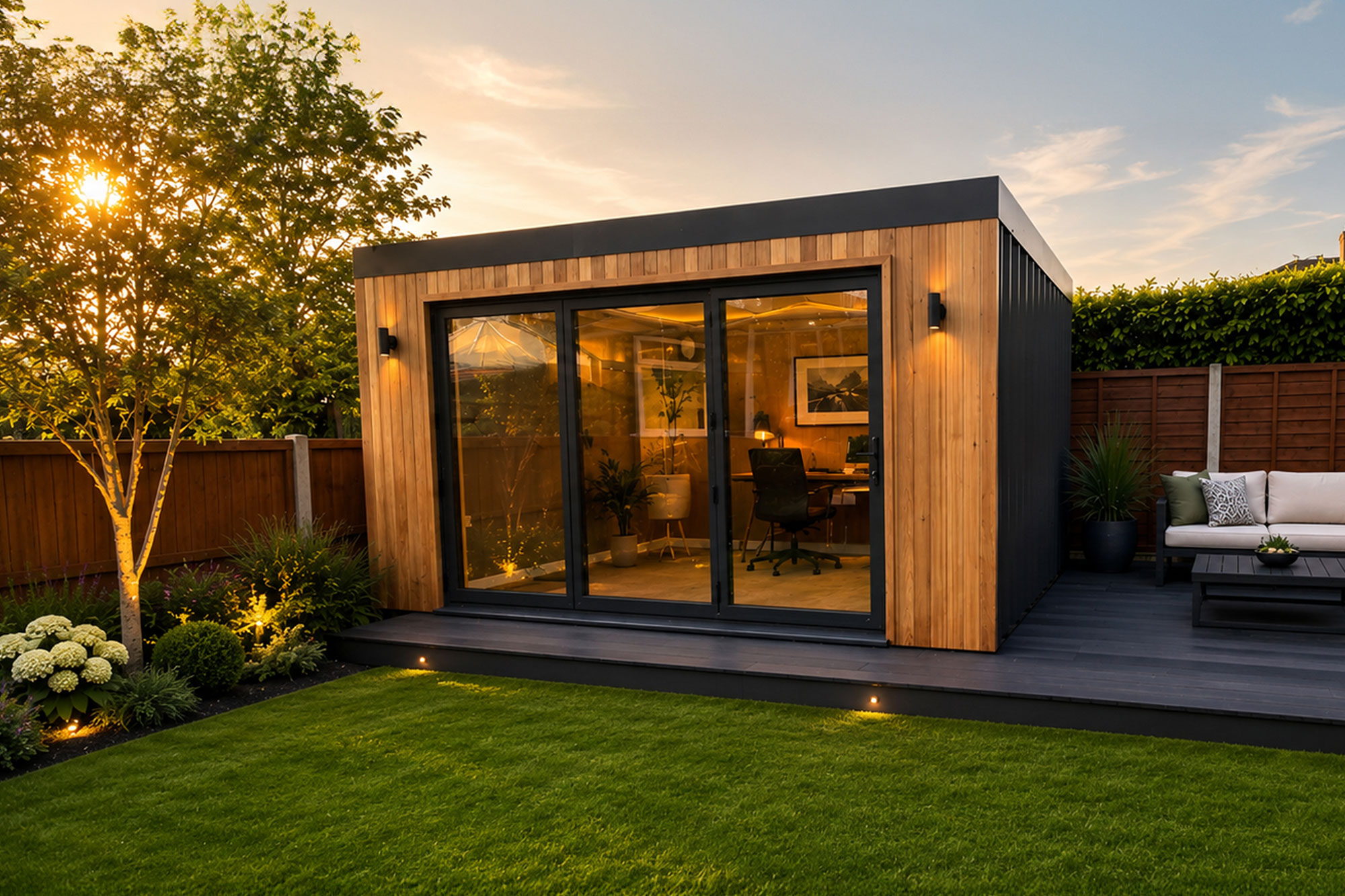
Creating extra space on your property has never been more popular. Garden studios and extensions have taken off in a big way lately, with hybrid working meaning many of us spend more time than ever in our homes.
But while the shift to working from home is, in part, responsible for the recent growth in popularity of these spaces, they were already on their way to becoming a 'thing' long before.
And it's no surprise really. Our lives are evolving in such a way that we're demanding more space than ever before. So it makes sense to create more space by investing in a garden room or extension.
But if you've never embarked on a project of this type, you're likely feeling a little unsure how everything comes together, not least how much it will cost. And with so many news stories reporting on less-than-savoury characters disguising themselves as builders, it's tough to know who to turn to for support. How do you choose a reliable, reputable company to create the space you need?
Unfortunately, the term 'rogue' crops up all too frequently when it comes to trades. So, to help you avoid any pitfalls with your new garden studio or extension project, here are our top tips to achieve your dream build, cowboy-free!
✔ IN SHORT
In short: to avoid cowboy builders, get recommendations from people you trust, research every company's reviews and accreditations, compare at least three like-for-like quotes, meet the team in person, ask plenty of questions, and never hand over money without a written contract. A reputable garden room company will happily put its guarantees in writing - Tiger Modular, for example, offers a lifetime structural guarantee, a 30-year roof guarantee and a 10-year guarantee on everything else.
Ask the people who've been there and done that
Get recommendations from your network. Friends, family, neighbours or business colleagues - even your grocery delivery driver if you know they've had a studio or extension built recently.
Because these are people you know - people who have been through a similar process themselves. They'll be honest about the process, whether good, bad or outright ugly.
Those who had an amazing experience with their garden studio installation will be more than happy to spill the beans on the ins and outs of their project. Equally, any who had a rough time with theirs will be quick to tell you more. Both ways, you'll be left with a few company names to follow up with and a few to avoid at all costs.
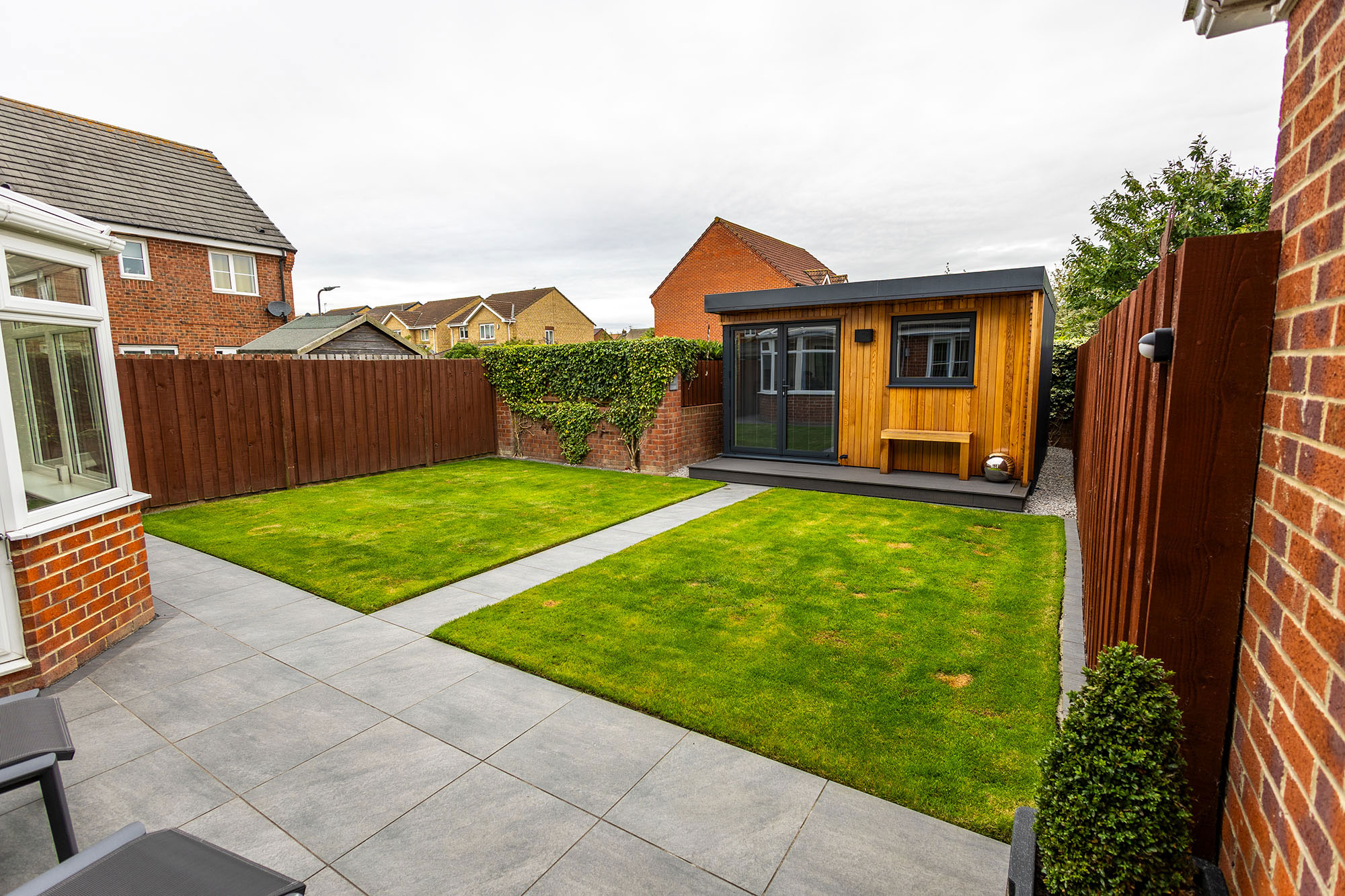
If you can, ask whether you could take a look at the finished building. Seeing a garden room a few years after installation tells you far more about build quality than a brand-new showroom model ever can - look at how the doors and windows close, whether there's any sign of damp, and how the cladding and roof have weathered.
Tiger Modular is rated 'Excellent' on Trustpilot and there are many happy customer case studies to be found on line.
Do your homework. And lots of it!
Once you have a list of contacts from people you know and trust, it's time for some detective work. Not that you're unhappy with the referrals from your friends and family, but it is still a good idea to conduct your own research and see what you think of those companies.
Take a look at their websites. Have they listed any testimonials or case studies to reflect their work? Do they list any accreditations to industry bodies? Check social media sites and Google too, for customer reviews.
It's also worth looking beyond the company's own website. A few quick checks can tell you a great deal about who you're dealing with:
Companies House - free to search, it shows how long a limited company has been trading, who its directors are and whether its accounts are up to date.
Independent review sites - read the most recent reviews as well as the overall rating, and look at how the company responds to any complaints.
Awards and accreditations - schemes such as the government-endorsed TrustMark vet their members; if a company claims membership, check it on the scheme's own website. You can see Tiger Modular's awards and accreditations on this website.
A physical address - a reputable business will have a registered address, a showroom or a factory you can visit, and other items like a printed, high quality brochure - not just a mobile number.
Get more than one quote
Extensions can vary drastically in price based on the complexity of the project - moving pipes or drainage, adapting structural walls, doing the necessary groundworks.
Modular garden rooms are more straightforward because they are manufactured off-site and are separate from the house, but if you want specialist features and extras, this impacts the price.
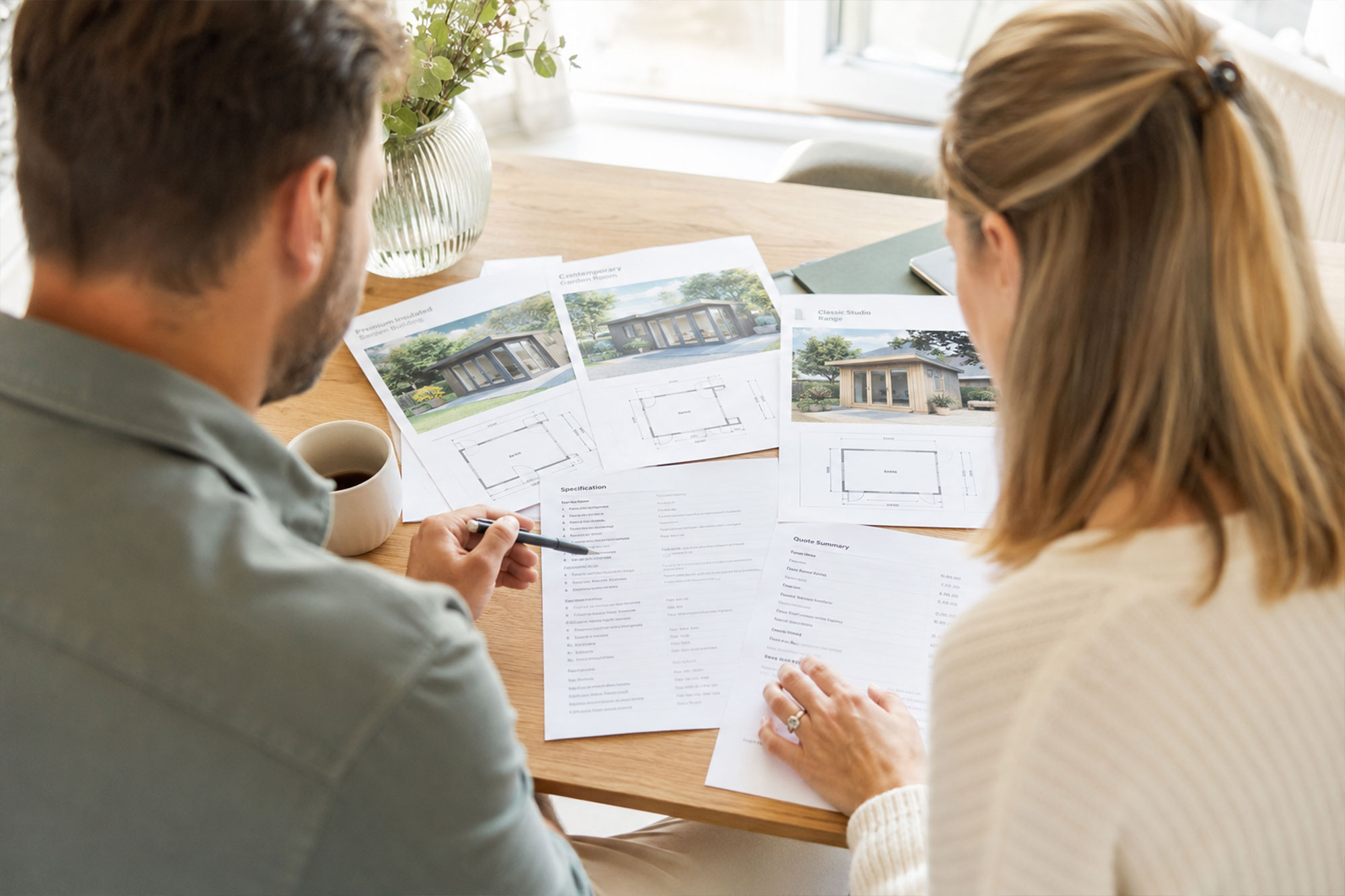
That's why it's a good idea to ask for quotes from a minimum of three providers to give you plenty of options for your project. Not just to compare costs but also to compare timescales, process, and service.
If one offers you a fantastic price but has zero availability for the next twelve months, they might not be much use to you if you require your extra space now.
Never make your decision based purely on price - if something sounds too good to be true, it often is. If one company is quoting far less than the other two, then find out why. Don't rush into a decision until you're sure you'll get what you want for your money.
To compare quotes fairly, make sure each one is itemised and covers the same things. A cheaper quote often turns out to exclude something another company has included as standard. Check that every quote clearly states:
The base or foundation type, and any groundworks or site preparation.
The insulation specification for the walls, floor and roof - not just the word "insulated".
The glazing and door specification (double glazing, frame material, door type).
Electrics - the number of sockets, lighting and the connection back to the house.
Delivery, installation, removal of waste, and whether VAT is included.
The guarantees offered, and what each one covers.
As a guide to what you should expect to pay, entry-level insulated garden rooms typically start from around £8,500-£12,500 depending on size and specification, while a premium, fully-specified build such as Tiger Modular's Certus range starts from £19,919 for a 3x3m room. A quote that sits far below the market for a comparable specification deserves a closer look. Our insulated garden room cost guide explains what drives the price.
Make sure you meet the team first
You want to be sure your garden studio is being fitted by a reputable firm that knows their stuff so that nothing comes back to bite you later.
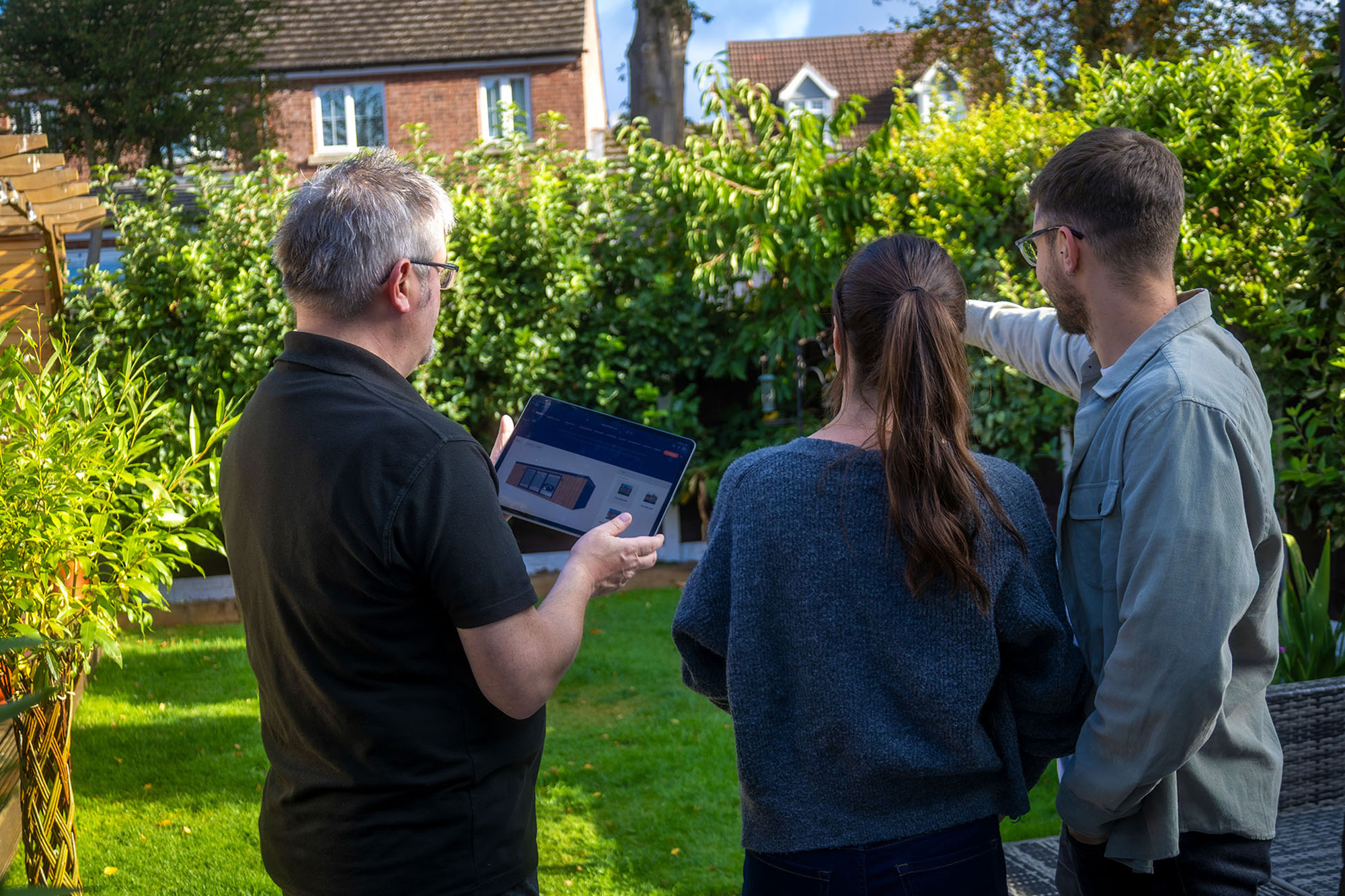
Some of your conversations so far may have been over the phone, which is no issue, except that a bespoke build usually involves a designer or surveyor attending your home to assess the scope for a garden studio or extension.
Aside from surveying the available space, it is their chance to chat with you at length about your objectives and ambition with the project. It also allows you to see how they conduct themselves in person and act within your home.
Even when working outside, they will be at your property, and you should feel like you can trust the team before agreeing to the work.
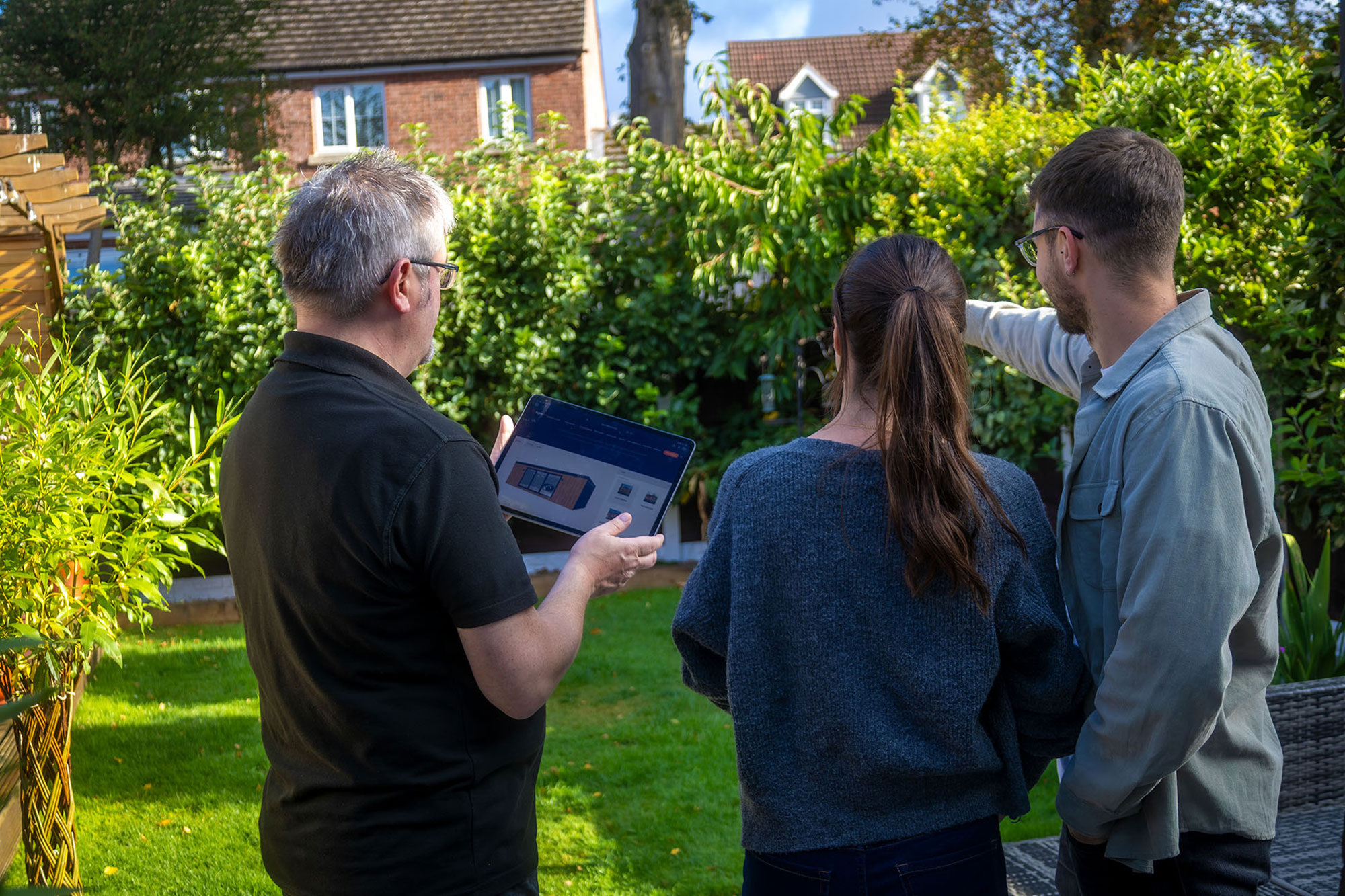
Ask. Ask. Ask!
Another reason to make sure you meet someone from the team in person is to give you a chance to ask questions - don't be afraid to give them a grilling. You're making a substantial investment, so it's important that it's right.
While you're chatting over a cuppa, take the opportunity to quiz them on their process, how each garden room or extension is built, and the materials they use. Do they have accreditations, and if so, with which industry bodies?
Above all else, does your new garden studio build come with any guarantees? Ask for supporting evidence of certifications or guarantees, and you'll soon find the cowboys are running straight for the hills at the mention of anything formal.
One final piece of advice, and perhaps the most important of all. Do not provide any money to a builder without first having a contract in place where you both agree to the works involved. It seems obvious, although with rogue builders operating every day, it's a crucial step to take - and one any reputable builder will always recommend.
If you're not sure where to start, these questions are a good basis for any consultation:
How long have you been trading, and can I see examples of recent projects?
Who will actually carry out the installation - your own team or subcontractors?
What insurance do you hold, and can I see a copy?
What guarantees come with the building, and what exactly do they cover?
Will you check whether my project needs planning permission or building regulations approval?
What is the payment schedule, and what happens if the project is delayed?
Warning signs of a cowboy builder
Most builders are honest, skilled professionals - but it pays to know the red flags that tend to give rogue traders away. Be wary of anyone who:
Knocks on your door uninvited, often claiming to have materials 'left over' from a job nearby.
Asks for cash only, or for a large payment upfront before any work has started.
Pressures you to sign on the spot with a "today only" price.
Gives a vague verbal quote and is reluctant to put anything in writing.
Has no registered business address, landline or verifiable reviews.
Avoids questions about insurance, guarantees or planning, or can't show you completed projects.
A genuine company will never mind you taking time to think, checking their credentials or asking for everything in writing. If anyone makes you feel rushed or awkward for doing your homework, that in itself is your answer.
Contracts, payments and guarantees
A written contract protects both you and the builder. It should set out exactly what's being built, the specification and materials, the total price, the payment schedule, the expected timescale, and what happens if anything changes along the way.
Payments should be clearly linked to stages of the project rather than demanded in full at the start. A deposit to secure your build slot and production is normal for a bespoke garden room, but be cautious of any request to pay the whole cost before work begins.
Guarantees are where reputable companies really stand apart. Ask what each guarantee covers, how long it lasts, and whether it's in writing. At Tiger Modular, every garden room comes with a lifetime structural guarantee, a 30-year guarantee on the roof, and a 10-year guarantee on everything else - so you know exactly where you stand for years to come.
Planning permission and building regulations
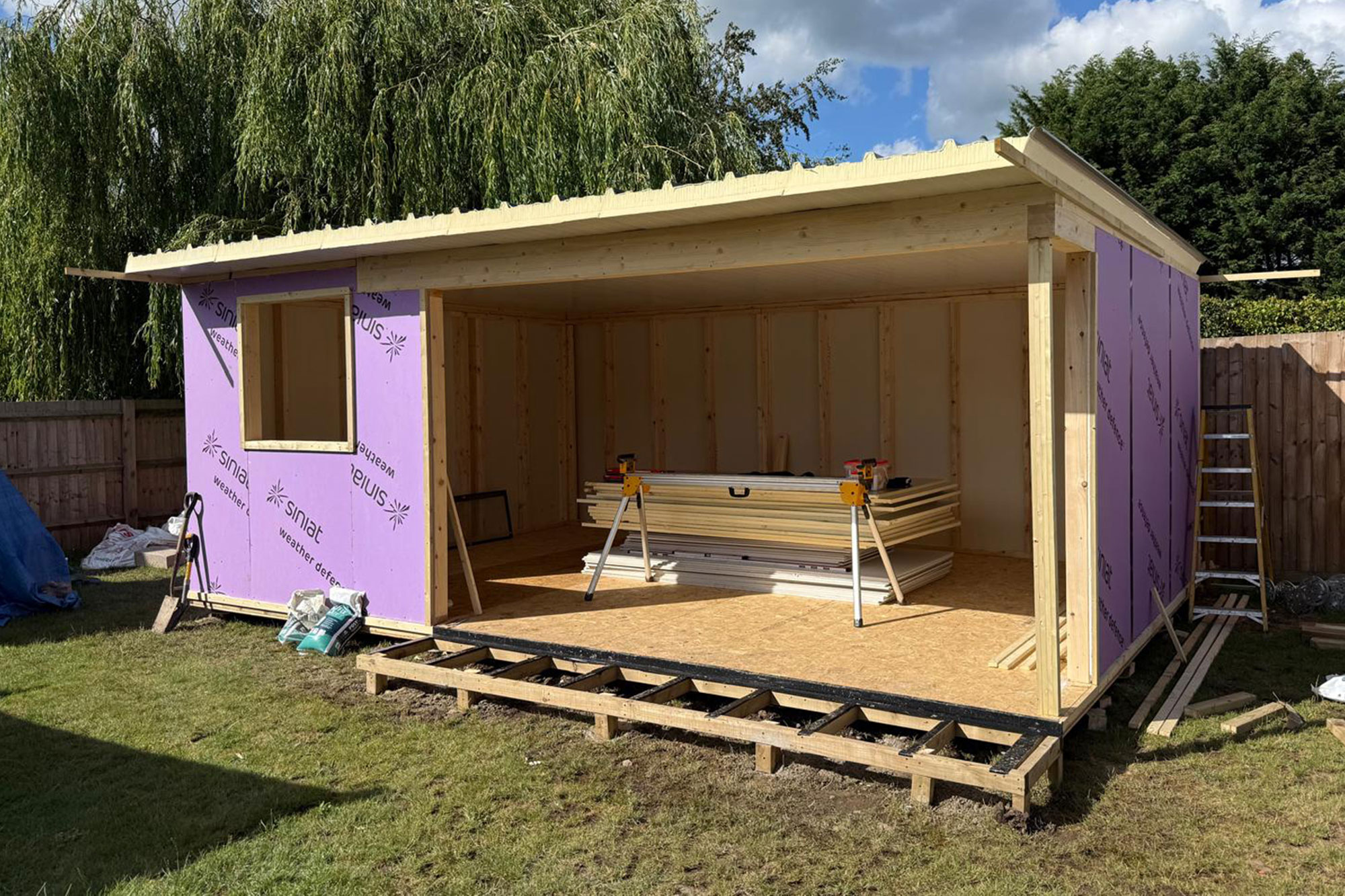
A trustworthy builder will raise planning and building regulations with you early, rather than leaving you to discover a problem after the work is done. Many garden rooms can be built under permitted development, which means you don't need to apply for planning permission - but there are limits on height, position and how much of your garden is covered, and different rules can apply in conservation areas or to listed buildings.
Building regulations are a separate matter. As a general rule, a small detached garden room with no sleeping accommodation is often exempt, but size, distance from the boundary and intended use all play a part. A good company will confirm what applies to your project before you commit. For a full explanation, see our garden room planning permission guide.
Smarter. Faster. Better.
At Tiger Modular, we're committed to quality, and if you're considering a bespoke garden studio, we'd love to provide a quotation. You can ask us as many questions as you like, and you can have complete confidence in our work. We offer a lifetime structural guarantee, a 30-year roof guarantee and a 10-year guarantee on everything else - and we've got the client reviews to back up what we say.
So don't be shy; get in touch and let us help you make your dream garden room a reality.
Common Questions
Common warning signs include cold-calling, asking for cash or a large upfront payment, pressure to sign immediately, vague verbal quotes, no business address or reviews, and reluctance to talk about insurance or guarantees. A reputable company will be transparent and happy to put everything in writing.
At least three. Comparing quotes helps you judge not just price but also specification, timescales, process and service. Make sure each quote is itemised so you're comparing like for like.
A deposit to secure your build slot is normal, particularly for a bespoke garden room made to order, but be cautious of anyone asking for the full cost upfront. Payments should be set out in a written contract and linked to clear stages of the project.
Always ask for guarantees in writing and check what they cover. Tiger Modular garden rooms come with a lifetime structural guarantee, a 30-year roof guarantee and a 10-year guarantee on everything else.
Yes. Never pay a builder anything without a written document or specification that sets out the works, specification, price, payment schedule and timescale. Any reputable builder will insist on one too.
Conclusion
Avoiding cowboy builders comes down to a few simple habits: get recommendations, do your research, compare like-for-like quotes, meet the team, ask lots of questions, and never pay without a written contract. Add written guarantees and a clear conversation about planning, and you'll have every reason to feel confident in your project. The right company will welcome your questions - and that's exactly how you'll know you've found them.
Tiger Modular are UK leading designers, manufacturers and installers of garden studios. If you'd like to book a no-obligation design consultation, contact our friendly team.
Sources & further reading
GOV.UK - Planning permission - gov.uk/planning-permission-england-wales
GOV.UK - Get information about a company (Companies House) - gov.uk/get-information-about-a-company
TrustMark - government-endorsed quality scheme - trustmark.org.uk
Build with complete confidence
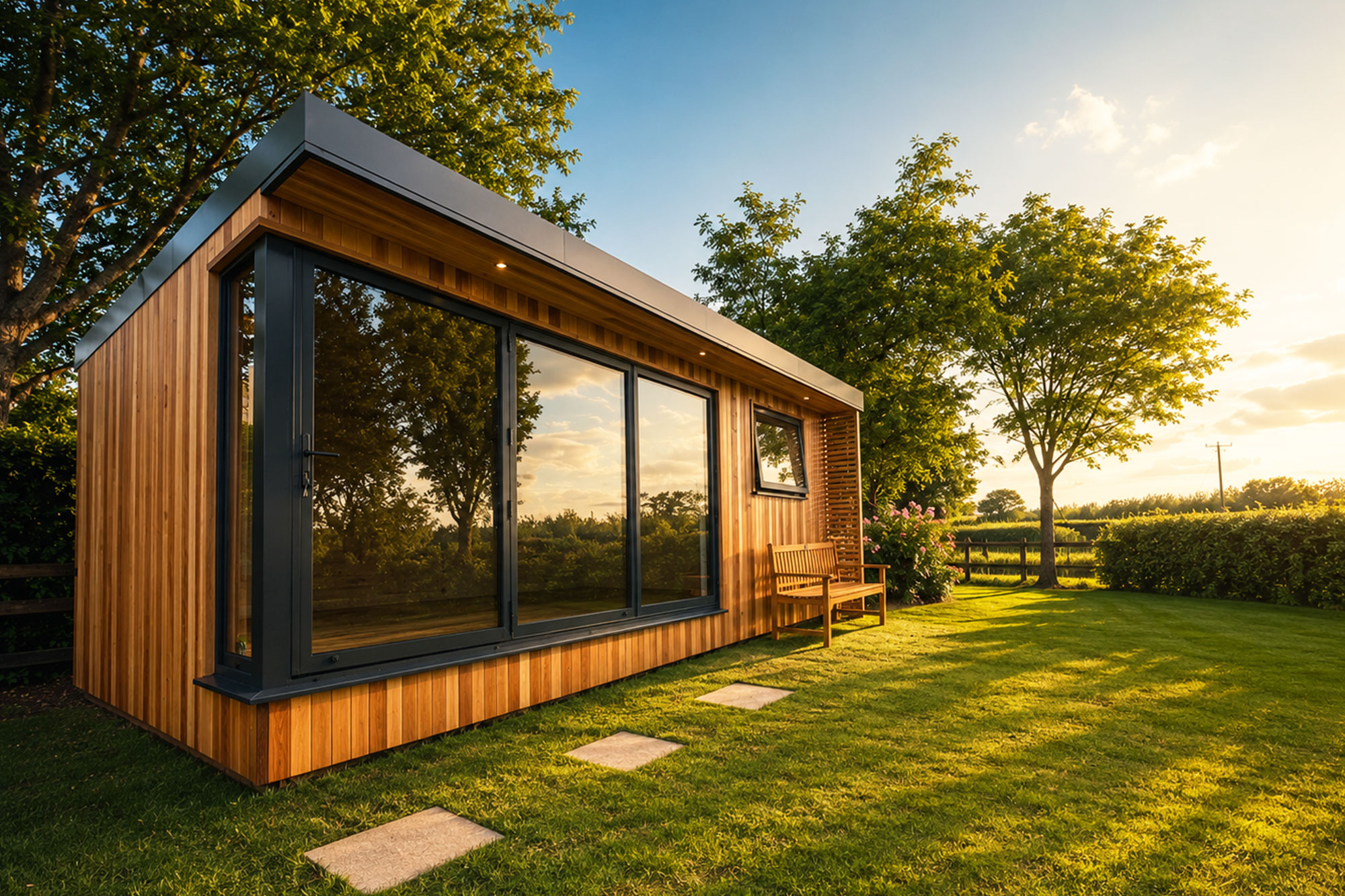
Ask us anything - our process, materials and guarantees. Book a free, no-obligation design consultation.